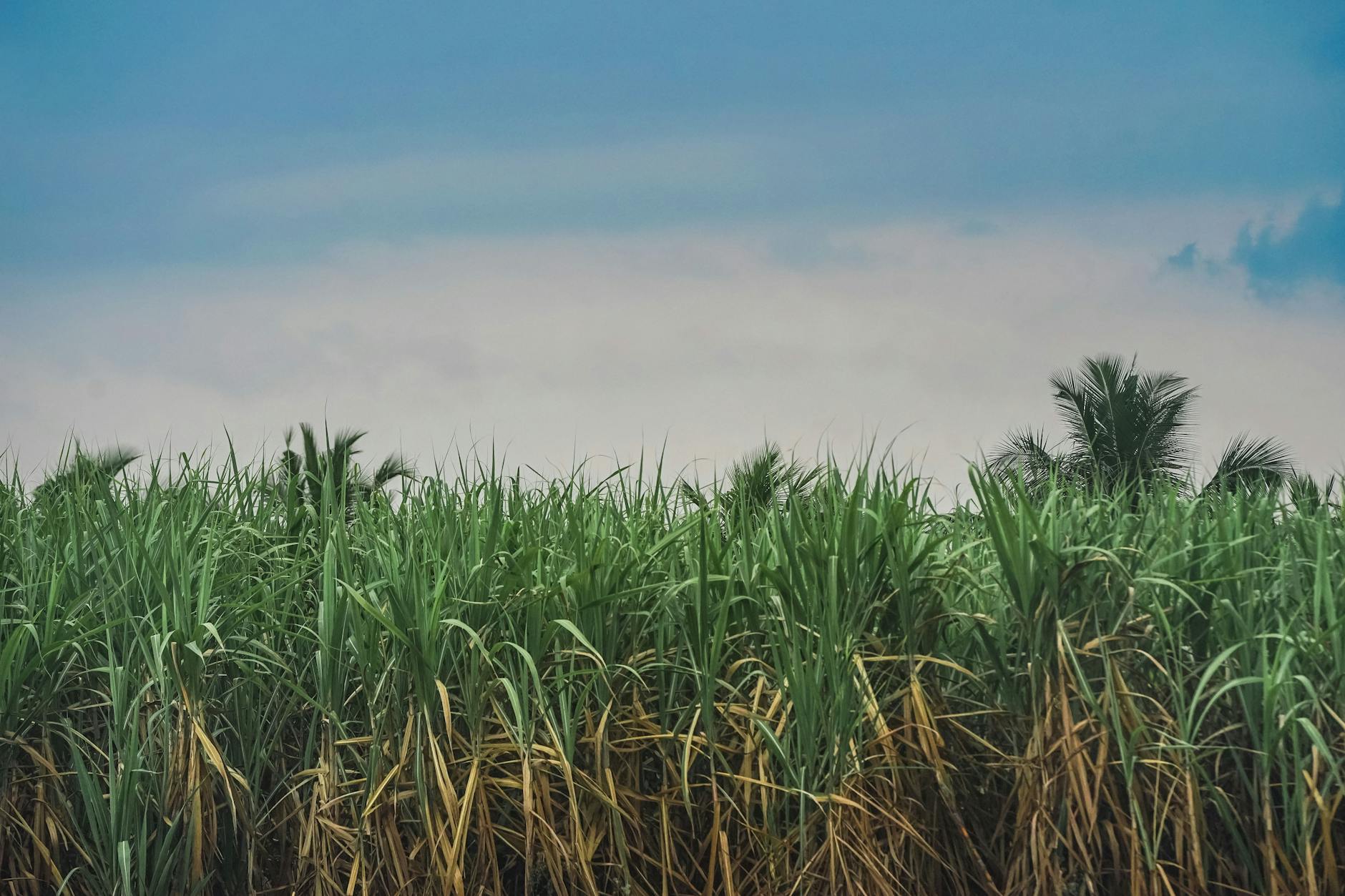
Armor Gutierrez, Alan Chandler and Bamdad Ayati, lecturers at the University of East London (UEL) at the university’s Sustainability Research institute (SRI), have co-created Sugarcrete, alternative material to concrete, one which is by far more eco-friendly and with a number of applicatory uses including insulation, construction materials in the form of light-weight and load-bearing blockwork, as well as slabs for structural flooring and roofing. This alternative material is created from begasse, a byproduct of sugarcane processing which is often burned in fields. Several collaborators and key partners who helped develop and promote sugarcrete alongside Mr. Gutierrez, Mr. Chandler and Mr. Ayati, include Tate & Lyle Sugars, AKT II, The Bagaceira project, Paryatan Foundation and an array of UEL masters of architecture students.
The creation of Sugarcrete has been well received, with multiple awards and nominations being given for the material. Sugarcrete won the Times High Education Exchange/Transfer Initiative of the Year Award, the Built by Nature Prize and the EU Worth Partnership in 2024 to name just a few, proving the brilliance of the material.
A 2021 report conducted by the UEL on Sugarcrete highlights many promising aspects about the material including the fact that Sugarcrete is made from a byproduct that is plant based and as a result, naturally has a negative carbon footprint. The low density of the material makes it lightweight and offers extreme efficiency in the transportation and construction of sugarcrete. Furthermore, Sugarcrete blocks have shown to have good compressive strength, allowing suitability for low-rise construction projects.
The material has good thermal resistance which makes it ideal for use as insulation. The possibility for circular economy potential means that countries which produce large volumes of sugar in the global south, could use these byproducts to create cheaper and more sustainable buildings with little infrastructure or funding.
Sugarcrete has been tested to industry standards for fire resistance, compressive strength, thermal conductivity and durability, underlining the promise for it to be used for insulation and construction. It should be noted that Sugarcrete has not been patented but rather it is open access and has been done purposely to establish partnerships to produce new bio-waste-based construction materials where sugarcane is grown, and the benefit is greatest, stated on the UEL’s Sugarcrete webpage.
In regard to the physical application of sugarcrete, the positive impacts of using this material have already proven greatly. Sugarcrete blocks were used to build the first school made from the innovative material in India, which was officially completed in September 2024. Such an achievement has proven the UEL’s commitment to addressing global challenges through research and innovation.
The UEL’s team behind sugarcrete, collaborated with the Bagaceira Project in Spain to develop high-performance acoustic panels made from agricultural biowaste. During a trip to the Costa Tropical region of Spain, it was found that industrial-scale Sugarcrete production in this region could potentially restore up to 8 million sqm of sugarcane in a once-thriving region that not long ago operated 12 sugarcane factories. This revival could capture 48,000 tonnes of CO₂ annually – equivalent to the emissions of 46,000 cars – while restoring a cherished green landscape that helps regulate humidity and salinity. It would also boost tourism, strengthen community identity, and support local family-run sugarcane businesses currently forced to import molasses, once again demonstrating the huge potential Sugarcrete has for both people and planet.
Students from the university’s architecture department worked on the ‘over the tracks’ project alongside students from local Newham sixth form college, focused on building a new community garden on unused land near Crossrail Tracks in North Woolwich, East London. The community garden included seating, planters and birdhouses, built exclusively out of sugarcrete. The project was completed and opened to the public in the summer of 2024.
A spokesperson from the university commented on the impact sugarcrete can have in regard to sustainable construction, ‘Sugarcrete is already making a great impact within the sugar industry. We are proposing to transform an industry which is linear (harvest, sugar production, final waste) into one which practices a more circular economy by transforming its waste product into construction projects that lock in carbon. The spokesperson highlighted the sustainable hopes of sugarcrete by saying ‘Sugarcrete can be used in the construction of buildings in sugar producing regions, and at the end life of these buildings, the Sugarcrete blocks can be reused’.
The university also gave comments on how Sugarcrete may develop within the next five years, ‘In the next five years we might begin to see Sugarcrete productions in construction in the form of blocks, insulation panels, acoustic panels, countertops, furniture and more. All of this can only be possible if there is a shift in mindset and willingness to understand the importance of waste management and upcycling’.
The university is committed to assisting stakeholders in setting up Sugarcrete manufacturing facilities, from the type of machinery needed to the paperwork involved, to ensure a quicker adoptability of this new sustainable product.
 Breakfast at Miguel’s